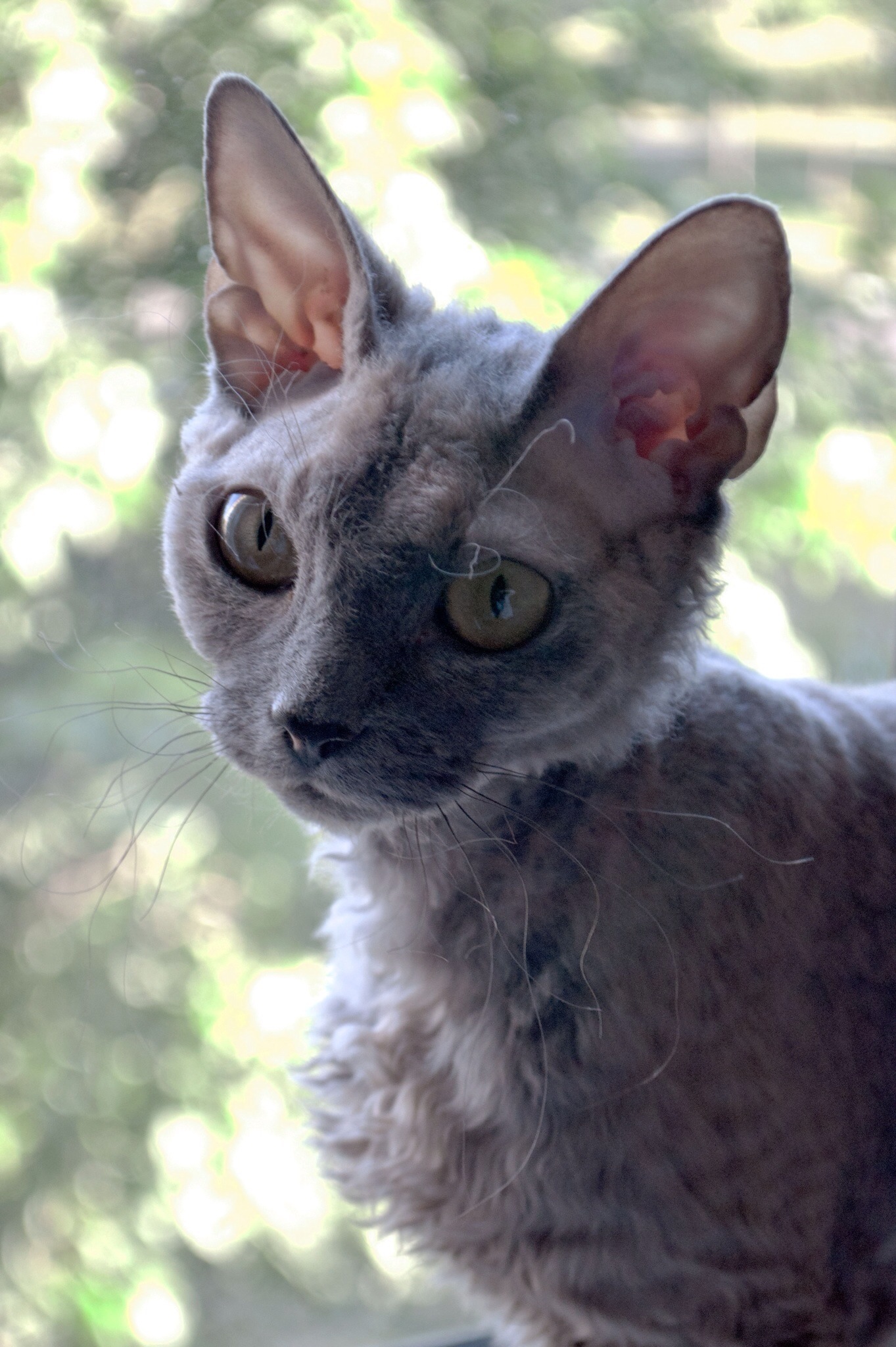
Devon Rex cats are hard to forget. With their oversized ears, wide eyes, soft wavy coat, and lively personality, they tend to stand out right away. They are also a little more hands-on than some people expect. A short coat does not always mean easy care, and this breed often does best with close attention to skin, ears, warmth, and routine veterinary care.
For cat owners in Union City, that matters for a simple reason. The better you understand the breed, the easier it is to catch small issues early and keep day-to-day care manageable. A trusted vet clinic can help with that, especially when a change seems subtle and you are not sure whether it is normal Devon Rex behavior or something worth checking.
What makes the Devon Rex different
The Devon Rex is often described as pixie-like because of its face and ears, but the biggest differences show up in its coat, skin, and temperament. The coat is made up mostly of soft down and sparse guard hairs, which gives it that rippled look. Some cats are curlier than others, and some have naturally thin hair on the chest, belly, or neck.
Because the coat is so fine, people sometimes assume this is a low-maintenance breed. That is not always true. Many Devon Rex cats shed less than heavier-coated breeds, but they can also have oilier skin, more noticeable ear buildup, and more sensitivity to cold. Overgrooming can irritate the skin, but ignoring buildup can also create problems.
They are usually slender, athletic cats that seem to seek out warmth all day long. Blankets, sunny windows, laps, heated beds, and soft perches are all favorites. In Union City, where mornings and evenings can feel cool even when the afternoon is mild, that warmth-seeking behavior often shows up indoors.
Temperament and everyday life with a Devon Rex
This breed is known for being social, curious, and highly involved in whatever is happening around the house. Many Devon Rex cats do not just want to sit nearby. They want to climb onto your shoulder, inspect what you are doing, follow you from room to room, and settle in as close as possible once you sit down.
That can be a great match for people who want an interactive companion. It may be less ideal for households expecting a more independent cat. Devon Rex cats usually do best when they get daily play, regular attention, and safe ways to climb, explore, and stay mentally engaged.
That is especially relevant in apartments, townhomes, or busy households where a cat may not have endless space to roam. Puzzle feeders, cat trees, window perches, rotating toys, and short interactive play sessions can help prevent boredom.
A Devon Rex may be a strong fit for:
- people who want an engaged, affectionate cat
- households that are home for a good part of the day
- owners willing to stay on top of skin, ear, and preventive care
- families looking for a playful, social companion
The breed may be harder for:
- owners who want a very independent cat
- homes that stay cold or drafty
- people expecting a no-maintenance coat
- households that cannot provide regular interaction
Skin and coat care need a light touch
The Devon Rex coat is one of the breed’s biggest draws, but it is also one of the easiest parts to misunderstand. Because the hair is fine and the skin can be somewhat oily, some cats develop greasy spots or visible buildup, especially around the neck, belly, underarms, or paws. Others have very few skin issues.
The goal is balance. Frequent bathing, harsh brushing, or aggressive wiping can irritate the skin and damage the coat. At the same time, a cat that is getting greasy, flaky, itchy, or uncomfortable should not be managed by trial and error alone.
A veterinarian can help answer practical questions like:
- Is this normal skin oil, or does it look more like irritation or infection?
- Does this cat actually need bathing, and if so, how often?
- Could allergies or yeast be part of the problem?
- Is coat thinning expected for this cat, or does it need a closer look?
That guidance matters because skin problems can look similar at first. Oiliness, redness, itching, hair thinning, overgrooming, and flaky skin can have several different causes.
Ear care is often part of routine Devon Rex care
The Devon Rex is known for its large ears, and those ears can collect wax and debris more easily than many owners expect. Mild wax buildup is not unusual, but heavy debris, odor, redness, scratching, or head shaking should be checked.
One common mistake is cleaning too often or cleaning too deeply. That can make irritation worse. It is usually better to ask your veterinarian what is normal for your individual cat and whether any ear-cleaning routine makes sense at all.
Some Devon Rex cats need only occasional maintenance. Others need more regular monitoring because of recurring wax or irritation. If your cat keeps pawing at the ears, becomes sensitive around the head, or develops dark debris repeatedly, it is a good reason to schedule an exam.
Why warmth and comfort matter
Many Devon Rex cats are heat-seekers, and there is a reason for that. Their coat does not insulate them the way a thicker coat would. Cool floors, drafts, and chilly nighttime temperatures can affect their comfort more than owners expect.
That does not mean you need to keep the house overly warm. It does mean paying attention to where your cat sleeps, whether certain rooms run cold, and how often your cat is trying to burrow under blankets or stay pressed against body heat.
For Union City owners, this often comes down to simple indoor comfort. A Devon Rex with a sunny window, soft bedding, and warm resting spots may do very well. A cat exposed to constant drafts or sudden temperature swings may seem unsettled more often. Heated beds can help, but they should always be used safely and with common sense.
Common health concerns to watch for
Many Devon Rex cats live healthy lives, but there are a few tendencies owners should know about. The goal is not to be alarmed. It is to be observant and consistent with routine care.
Some Devon Rex cats may be more prone to:
- skin and ear problems
- dental disease if oral care is neglected
- digestive sensitivity in some individuals
- breed-associated concerns that a veterinarian may want to monitor based on the cat’s history and exam findings
Cardiac follow-up may also come up in some cats, especially if a veterinarian hears a murmur or has another reason to recommend it. That does not mean every Devon Rex is medically fragile. It means routine exams are useful for building a baseline and spotting changes early.
Once your veterinarian knows what is normal for your cat’s weight, skin, ears, teeth, activity, and heart and lung sounds, it becomes much easier to tell when something has actually changed.
Why an established Union City vet clinic relationship helps
Devon Rex cats can be quirky in very endearing ways, but that can sometimes make it harder to tell what is normal and what is not. Is your cat simply obsessed with warm blankets, or acting quieter than usual? Is that mild oiliness typical for this coat, or the start of a skin problem? Are the ears a little waxy, or becoming inflamed?
Those questions are easier to answer when you already have a vet clinic that knows your cat. That relationship can help with preventive exams, skin and ear guidance, dental monitoring, nutrition questions, and decisions about when a change is minor versus worth a closer workup.
For busy pet owners in Union City, that kind of continuity can make a real difference. Cats often hide discomfort well, and subtle changes are easier to miss when life gets hectic.
Is a Devon Rex the right fit?
For the right household, the Devon Rex can be a wonderful cat. This breed is affectionate, funny, intelligent, and often deeply attached to its people. It tends to do best with owners who enjoy that close involvement and do not mind a little more upkeep than the coat first suggests.
If you already have a Devon Rex, the best approach is usually simple and steady. Keep an eye on the skin, ears, appetite, weight, energy level, and behavior. If you are thinking about getting one, go in with realistic expectations. This is usually not a distant, decorative cat. It is an active, social cat that wants to be part of everyday life.
For Devon Rex owners in Union City, a good vet clinic can make that everyday care easier. Preventive visits, practical guidance, and early attention to small changes can go a long way toward keeping this unusual breed comfortable and healthy.